Becoming Her: The Reality of Being a Woman Between 20 and 40 (Part 1).
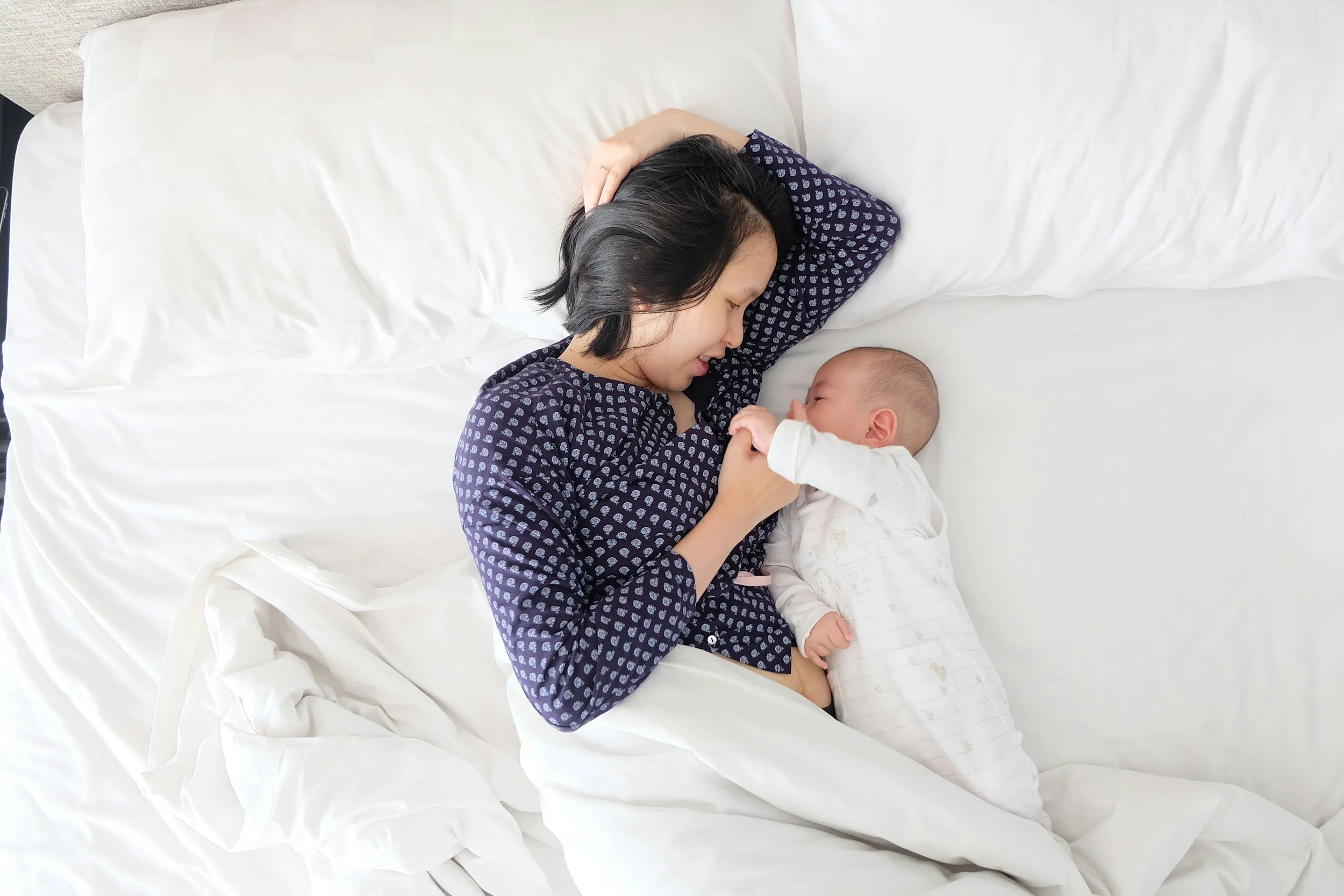
The beautiful, messy becoming of women in their 20’s and 30’s
There is a particular kind of pressure that comes with being a woman between 20 and 40 in Australia.
It’s subtle sometimes. Loud at other times.
It comes from social media, family expectations, workplaces, friendship groups, advertising and the little voice in your own head asking:
Am I where I’m supposed to be by now?
For many women, these decades become whirlwind of firsts.
First serious relationship.
First heartbreak.
First home.
First baby.
First time feeling completely overwhelmed.
First time questioning who you even are anymore.
And yet, despite how universal these experiences are, so many women quietly believe they are the only ones struggling.
The truth is this: most women between 20 and 40 are carrying far more than anyone realizes.
They are building lives while simultaneously trying to hold themselves together.
falling in love and building a life
In your twenties, love often feels exciting, consuming and hopeful.
You meet someone and begin imagining a future together. There are dinners out, spontaneous weekends away, lazy Sunday mornings, conversations about dreams and travel and ‘one day’.
Then life starts becoming real.
Careers emerge. Mortgages appear. The mental load increases. Someone has to remember the bills, organise the appointments, buy groceries, call the plumber, remember birthdays, clean the kitchen and somehow still look attractive and emotionally available at the end of the day.
Modern relationships are complicated because women today are often expected to do everything.
Be nurturing, but ambitious.
Be a devoted mother but maintain a career.
Be emotionally available, but never ‘too emotional’.
Stay attractive, youthful, calm, organised, sexually confident, financially responsible, socially connected and mentally healthy.
At the same time.
It’s no wonder so many women feel exhausted.
Research and ongoing discussion around the ‘mental load’ show women still carry much of the invisible labour in households - the organising, anticipating, planning and emotional management that deeps families functioning.
Yet many women minimize their own exhaustion because they think they ‘should’ be coping better.
marriage isn’t the finish line
Many women grow up unconsciously absorbing the idea that marriage or long-term partnership is the destination.
But relationships do not magically become easier because there’s a ring on your finger.
In fact, relationships often become more complex as life responsibilities increase.
Healthy long-term relationships require constant recalibration.
The version of yourself and 24 is rarely the same version at 34.
Women evolve. Men evolve. Careers shift. Bodies change. Priorities change. Sometimes people grow together beautifully. Sometimes they drift apart quietly over the years.
The strongest relationships are not perfect relationships.
They are relationships where both people continue choosing curiosity over criticism.
Where conversations happen before resentment hardens.
Where intimacy is not just physical, but emotional.
Where both people understand that partnership is not about keeping score.
then come the babies
For many women, motherhood arrives with equal parts love and shock.
No matter how wanted or adored a baby is, becoming a mother can feel like an identity earthquake.
One moment you’re your own person and the next your body, sleep, schedule, career, hormones and identity belong to someone else’s needs.
Despite all the beautiful photos online, early motherhood can feel deeply lonely.
Many Australian women report feelings of anxiety, overwhelm, sadness and isolation during the postpartum period. The Australian Institute of Health and Welfare notes that perinatal and mental health challenges affect many women beyond the temporary ‘baby blues’.
Women often describe:
Feeling touched-out and overstimulated
Losing confidence
Grieving their old life whilst loving their baby fiercely
Relationship strain
Identity confusion
Sleep deprivation so severe it impacts mental health
Mothers describe motherhood as feeling like ‘me against the world’ and being ‘emotionally unraveled from exhaustion’.
This matters because women need to hear something honest.
You can deeply love your children and still find motherhood hard.
These two truths can coexist.
the career shift nobody prepares you for
One of the hardest transitions for many women is the shift from independence to dependency.
Before children, many women have careers, routines, autonomy and financial freedom.
Then suddenly they may find themselves:
On maternity leave
Financially reliant on a partner
Struggling with confidence
Out of the workforce longer than expected
Feeling invisible
Australian research has shown employment condition and lack of flexibility significantly affect maternal mental health and wellbeing.
Some women desperately want to return to work and feel guilty.
Others desperately want more time at home and feel guilty.
There is often no version where women feel they are getting it ‘right’.
Underneath all of it sits a question many women are too afraid to ask out loud
Who am I now?
Because motherhood changes identity.
Not negatively.
Not positively.
Just profoundly.
friendships change too
One of the quieter griefs women experience int these decades is friendship change.
Some friendships deepen beautifully through shared experiences of parenting, relationships and adulthood.
Others fade.
Women who become mothers may feel disconnected from single friends. Women without children may feel left behind by friends whose worlds now revolve around school pickups and nap schedules.
Life stages create separation.
Social media often intensifies it.
Women compare themselves constantly:
Who brought the house first?
Who got married first?
Who ‘snapped back’ quicker after birth?
Who seems happier?
Who appears more successful?
Whose children seem easier?
But comparison is dangerous because it compares your private reality to someone else’s curated highlight reel.
Behind many polished IG posts are women quietly struggling with anxiety, resentment, loneliness, relationship strain, burnout or grief.
intimacy changes after children
One of the least openly discussed realities for women is how relationships and sexuality shift after children.
Bodies change. Hormones fluctuate. Exhaustion becomes constant.
For many couples’ intimacy becomes scheduled, interrupted or emotionally complicated.
Yet women often feel pressure to ‘bounce back’ sexually whilst simultaneously carrying the physical and emotional demands of motherhood.
Good relationships survive this stage not through perfection but through compassion.
The couples who navigate parenthood well tend to understand that intimacy is built long before the bedroom.
It’s built in shared responsibility.
In emotional safety.
In feeling appreciated instead of taken for granted.
Sometimes love in your thirties looks less glamorous than it did in your twenties.
But it can also become deeper steadier and more real.
final thoughts for this week
As the years pass and the demands of love, motherhood and responsibly continue to evolve, many women find themselves asking a question they never expected:
After taking care of everyone else, who am I now?
Next time I’ll explore more about what it feels like to be a woman living this era of your life and how you can become more yourself…reinvented, honest and self-respecting.